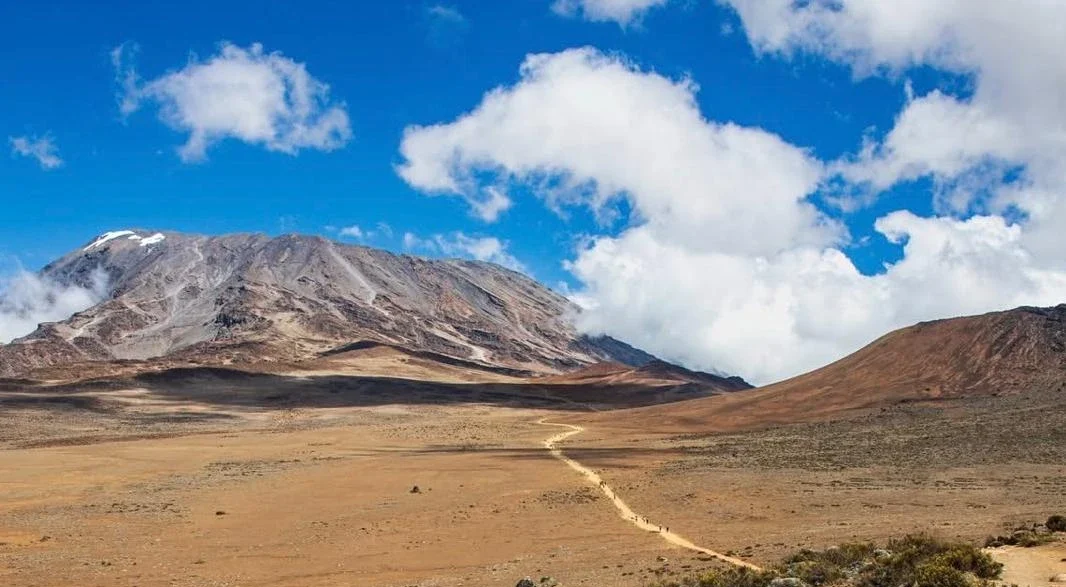
Mount Kilimanjaro is more than a mountain, it is a life-changing journey. Rising to 5,895 meters (19,341 ft), Kilimanjaro is Africa’s highest peak and the world’s tallest free-standing mountain. Climbing it is not about technical skill, but determination, preparation, and the right team beside you. At Raw Nature, we guide you safely and responsibly to the summit, while ensuring you experience the mountain’s beauty, challenge, and magic at every step.
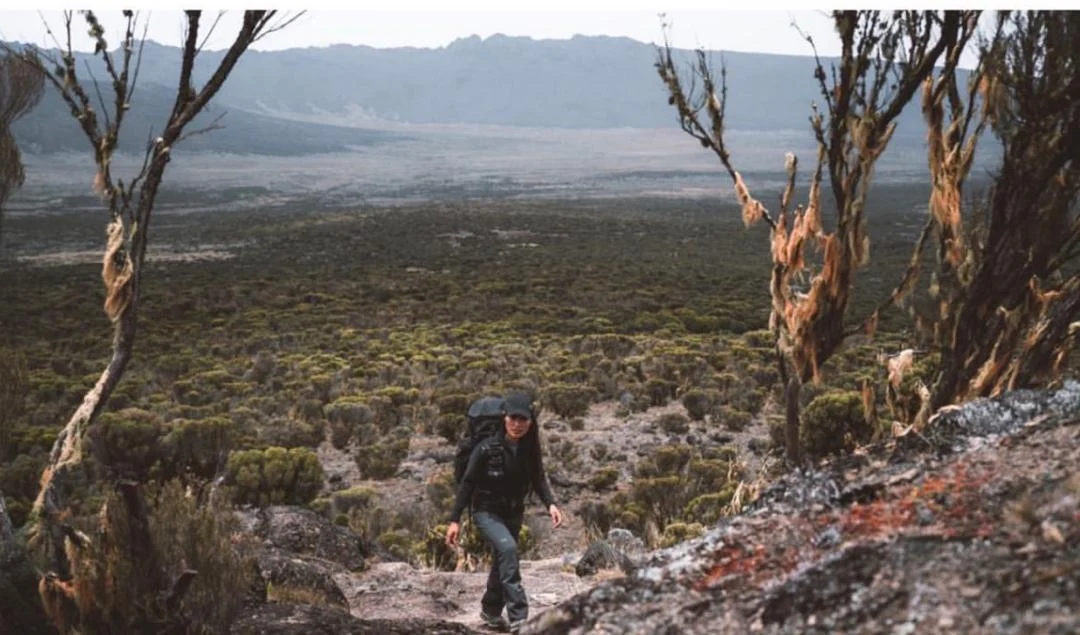
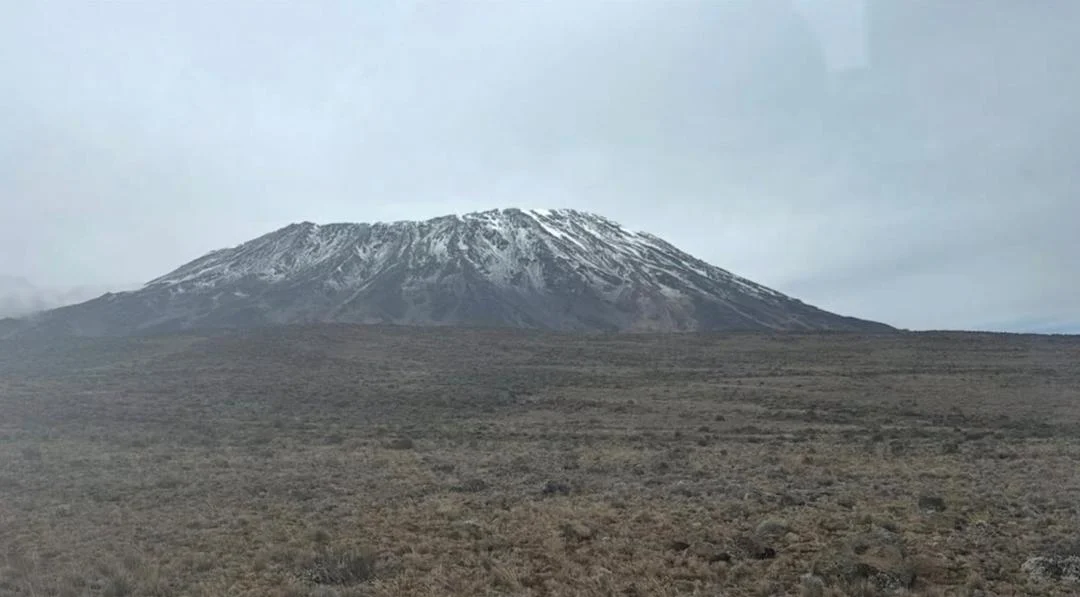
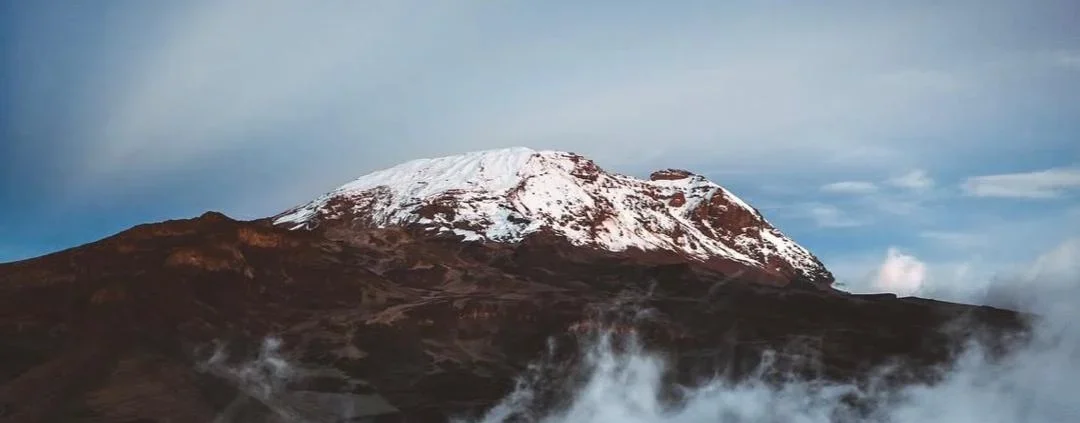
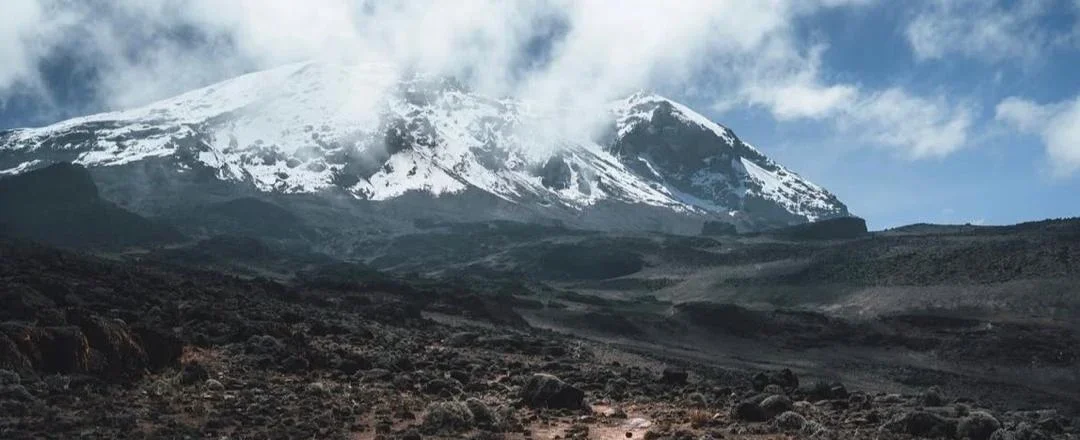
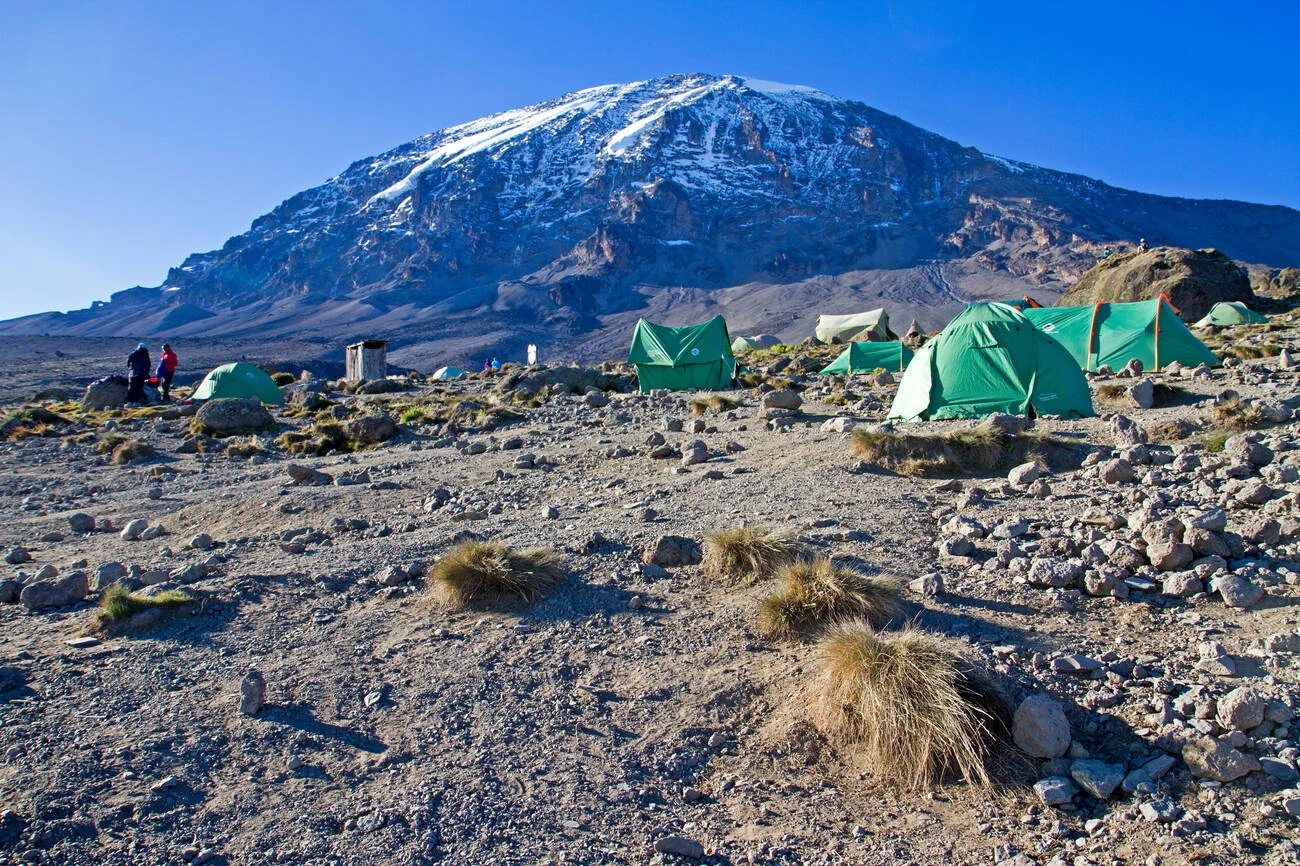
The best times to climb are during the dry seasons: January-March and June-October. These periods offer the most stable weather conditions and clearest views.
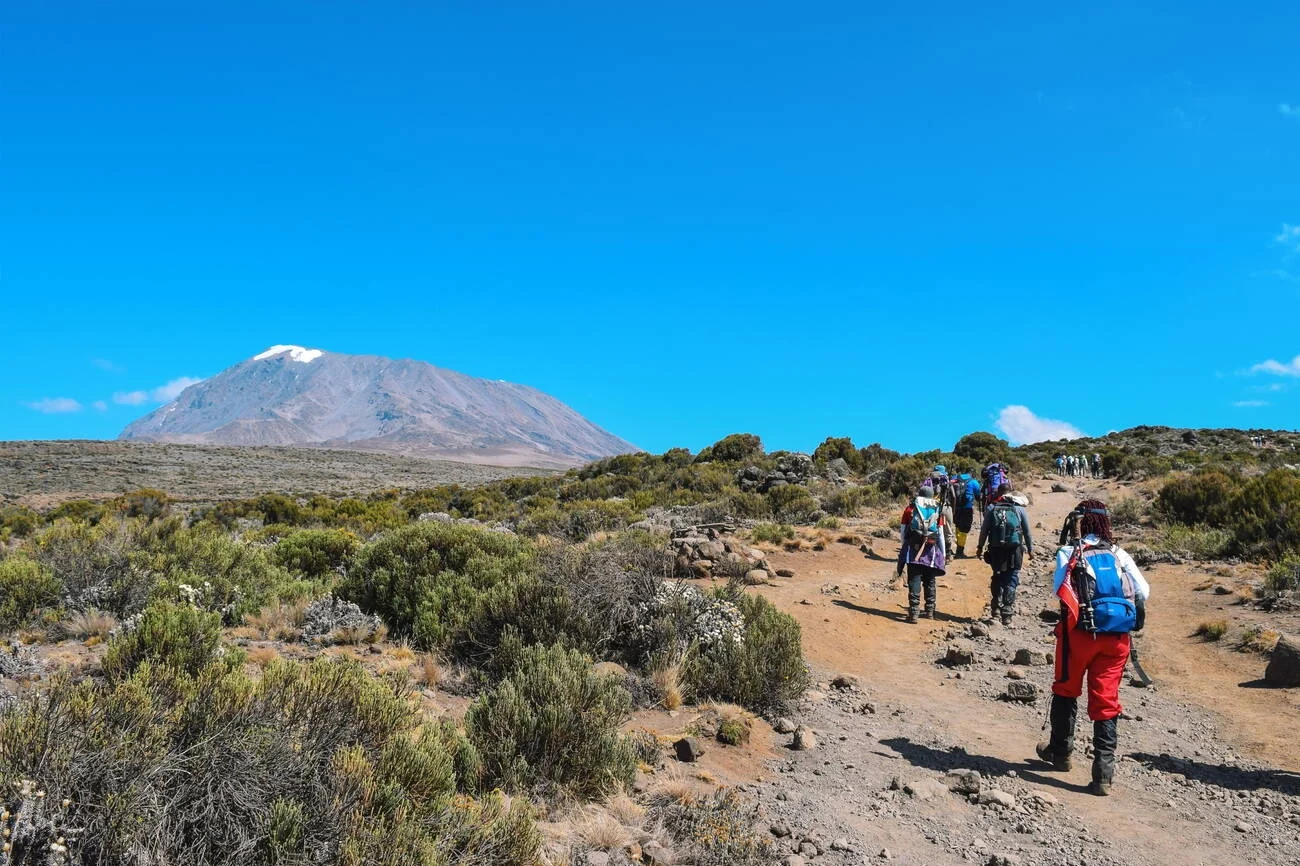
The Machame Route offers the perfect blend of scenic beauty and acclimatization time, making it the best choice for a successful Kilimanjaro summit adventure.
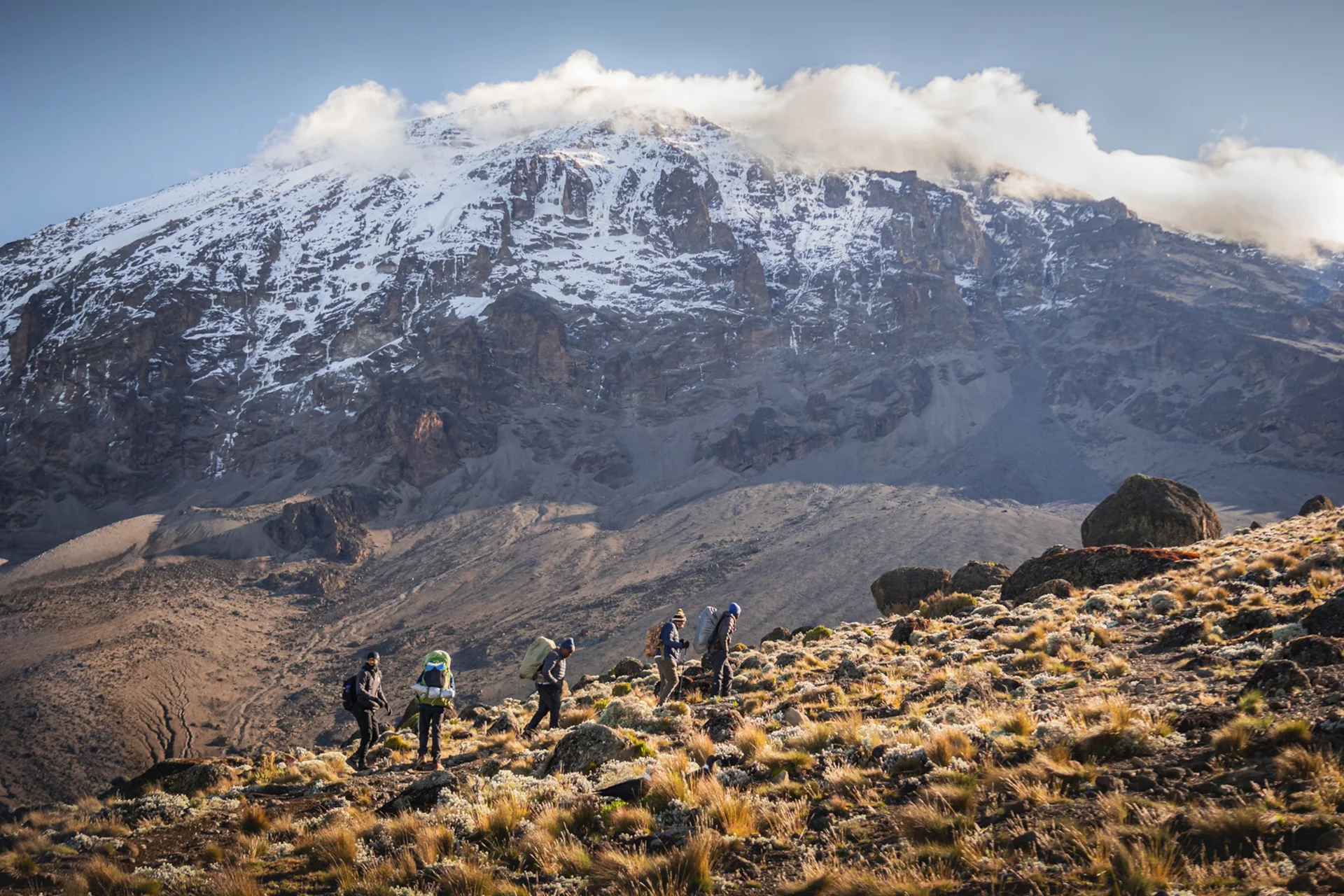
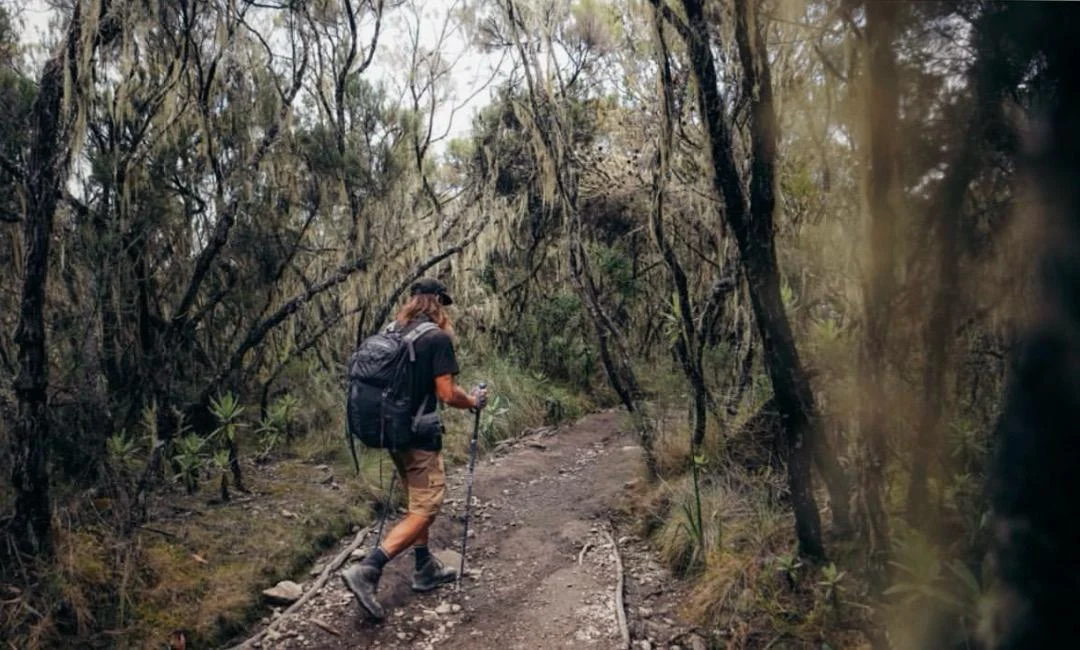
Expect breathtaking landscapes across five climate zones, challenging yet rewarding days of hiking, expert guides, comfortable camps, and an unforgettable summit achievement.
Kilimanjaro requires zero technical climbing skills. It’s a long, high-altitude hike. The challenge is purely physical fitness + altitude adaptation. Our honest assessment: If you can hike 6-8 hours carrying a daypack at home elevation, and you choose the right route with proper acclimatization, you have a 75-85% chance. Your guide will monitor you daily and make honest calls about continuing vs turning back.
Start 3-4 months before. Focus on: (1) Cardiovascular endurance, aim for 1+ hour of cardio 4-5x/week (hiking with weighted pack is best), (2) Leg strength, stairs, squats, lunges, (3) Hiking with your actual boots and pack to prevent blisters. You don’t need to be an athlete, but you should be comfortable hiking 6+ hours. The fitter you are, the more you’ll enjoy it vs just surviving it.
Almost everyone feels something above 4,000m, headache, nausea, fatigue, poor sleep. This is normal. Acute Mountain Sickness (AMS) becomes dangerous when you ignore symptoms and keep ascending. Our guides check vitals twice daily and won’t let you continue if your oxygen saturation drops too low. The biggest predictor of success isn’t fitness, it’s acclimatization time. This is why we push 7-8 day routes over 5-6 day versions.
It is. You start around midnight, hike 6-7 hours in the dark, freezing cold (-10 to -20°C), sleep-deprived, with thin air. Many people question every life choice at this point. But: the sunrise at Stella Point (5,739m) is transcendent. The final hour to Uhuru Peak is on adrenaline and stubbornness. Then you descend 3,000+ vertical meters in one day. You’ll be exhausted. You’ll also be exhilarated. It’s hard, but it’s supposed to be.
We refund the summit day park fees ($200-300) but not the climb costs, because at this point we’ve already paid porters, guides, and camps. This is standard across all operators. However: choosing the right route and listening to your guide dramatically improves success. We’ve had 87% of our climbers summit, which is above industry average.
Accommodation:
Food:
Water: Treated water provided by crew, but bring purification tablets as backup. Stay hydrated (3-4 liters per day) but balance with electrolyte intake.
The food is generally hearty and sufficient, though appetite may decrease with altitude. Quality varies significantly between operators.
Absolutely. Most common: 7-8 day climb + 4-7 day safari. Emmanuel (our guide who does both) will summit with you, then lead your safari. Same person, both experiences. We typically do Kilimanjaro first (harder to safari with sore legs), then recover on safari (sitting in a vehicle watching wildlife is excellent post-climb therapy).
No pressure. Just an honest conversation with our guide about which route makes sense for your fitness level and timeline.