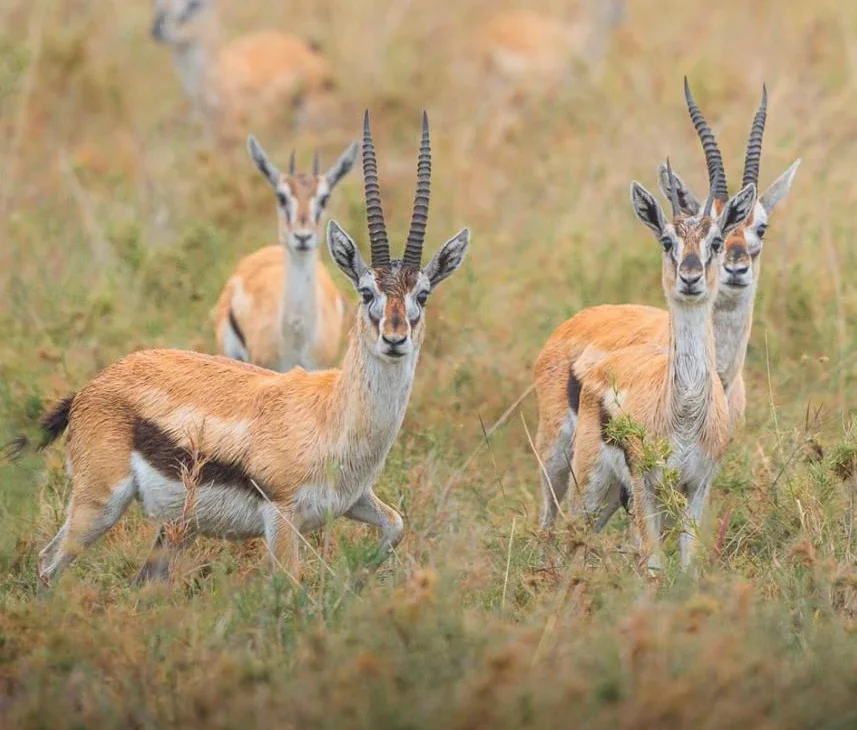
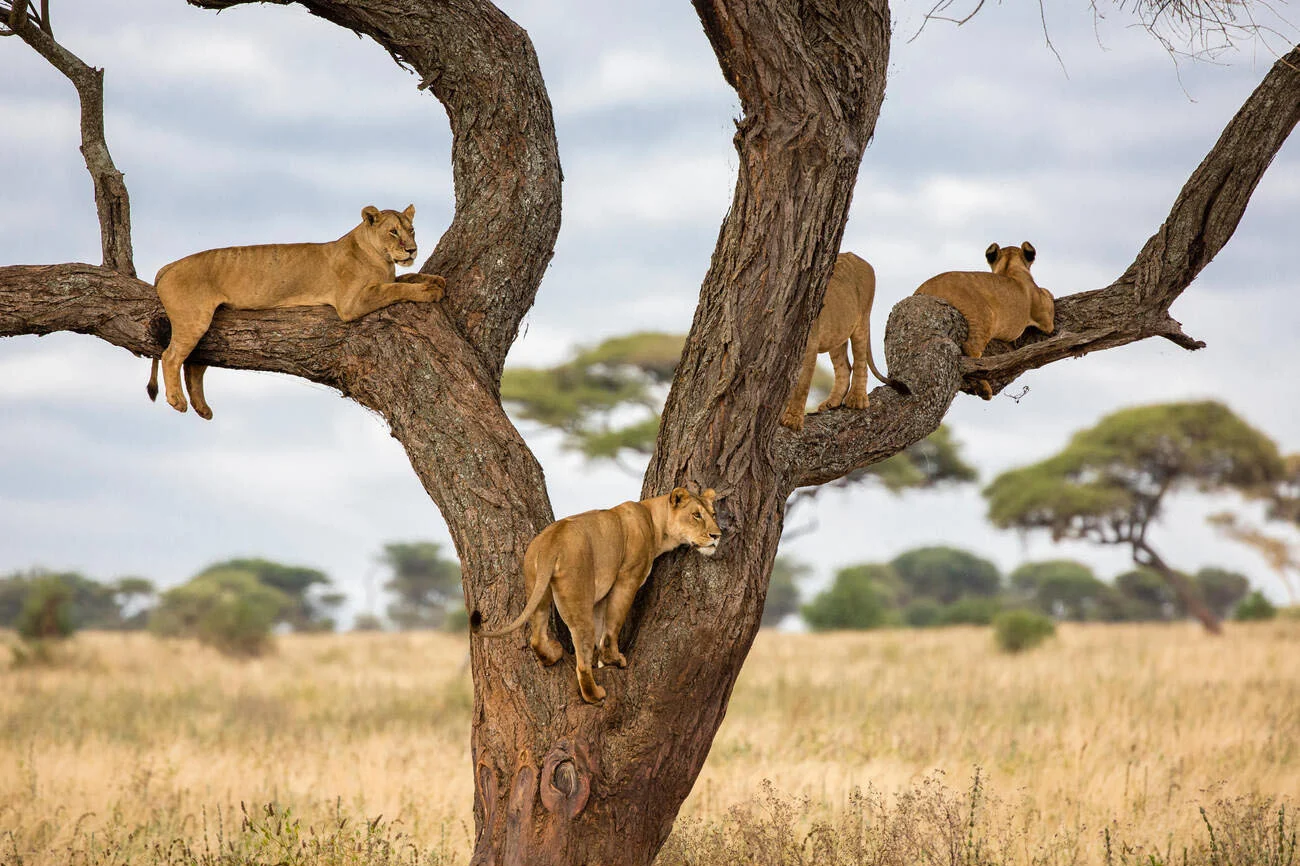
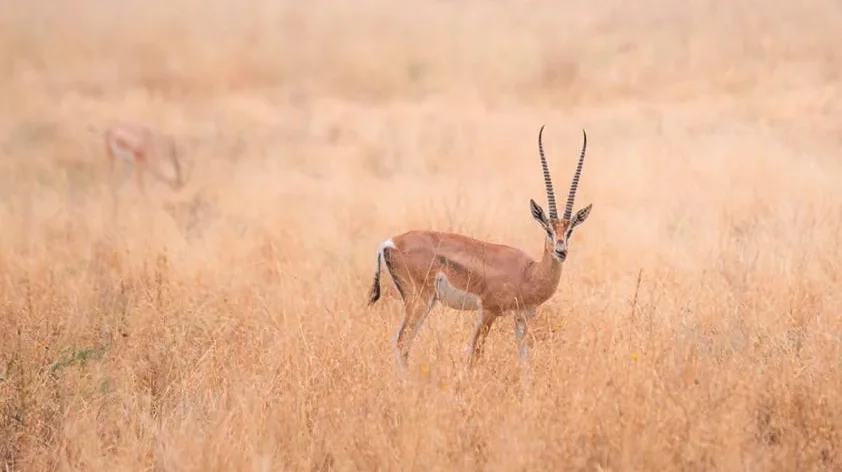
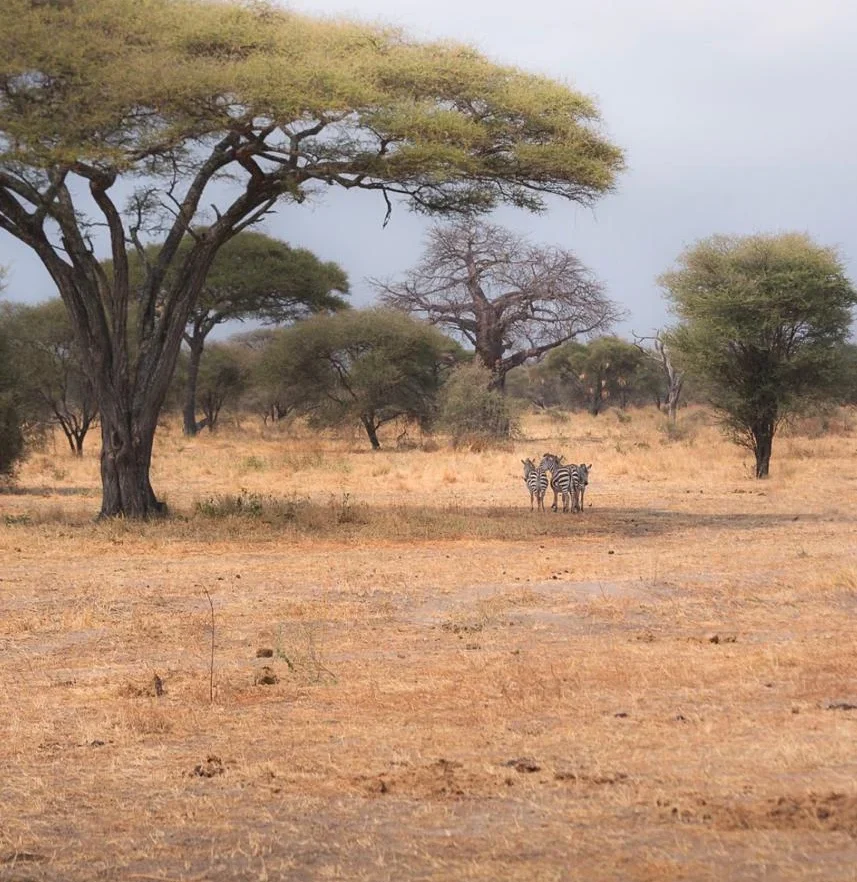
Tanzania is one of the world’s finest safari destinations. Home to vast savannahs, ancient ecosystems, and the highest concentration of wildlife in Africa, it offers safari experiences found nowhere else on Earth. Raw Nature designs wildlife safaris that go beyond game viewing. We create journeys that are immersive, well-paced, and deeply connected to nature, guided by experts who understand the land and its rhythms.
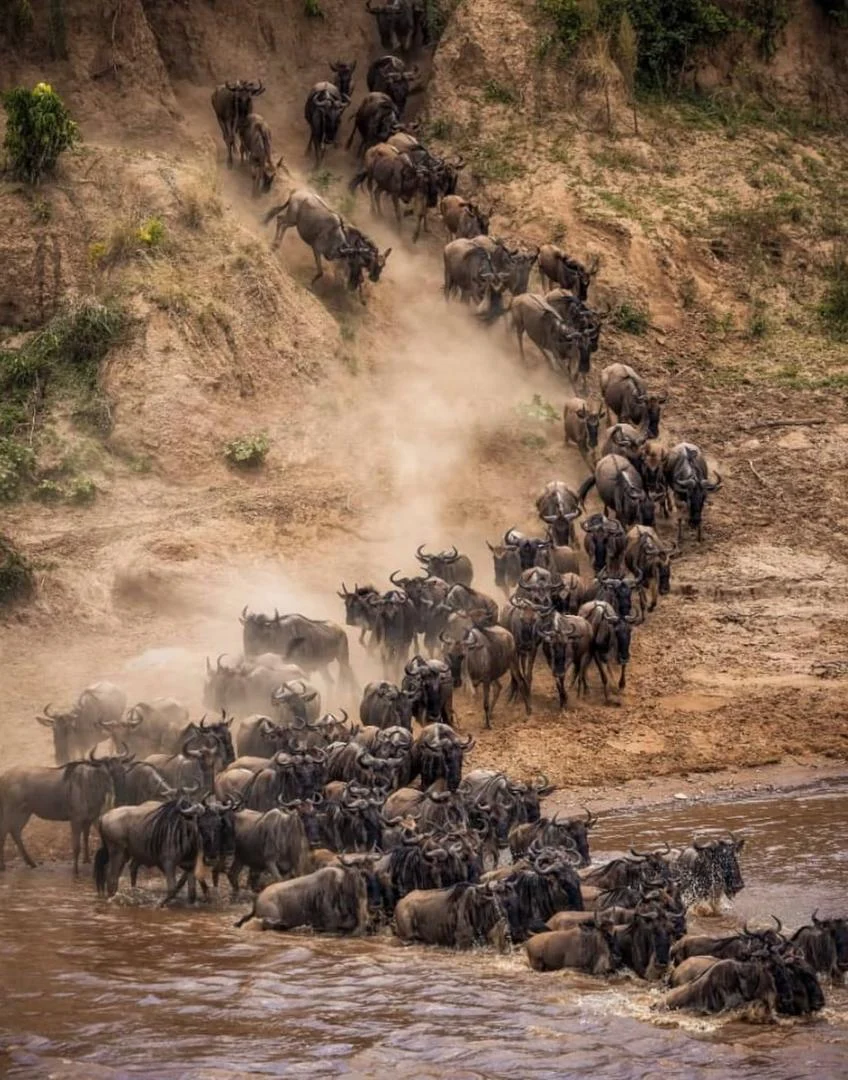
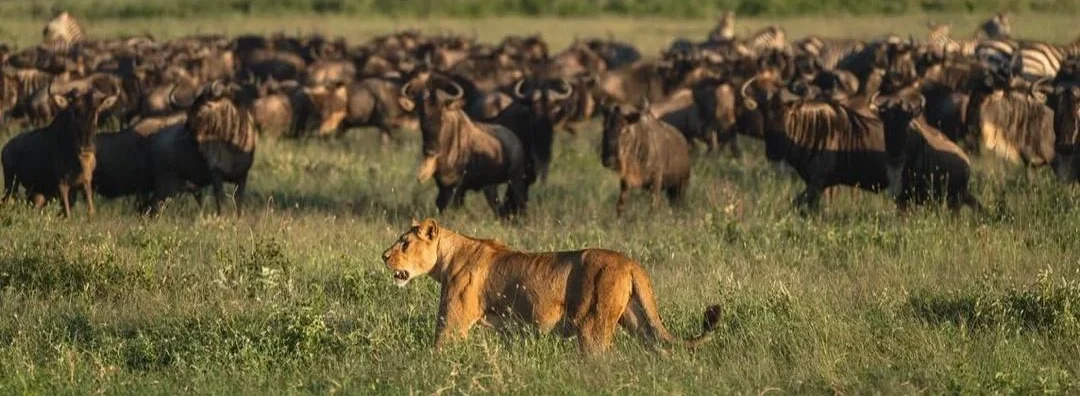
It depends on what part of the migration you want to see, as the animals move in a cycle year-round.
January – March (Calving Season):** Go to the Southern Serengeti (Ndutu). This is when thousands of wildebeest are born daily, attracting lots of predators.
April – May (Green Season): The rains are heavy, and herds move central/west. It is cheaper, but harder to navigate roads.
June – July (The Trek North): The herds move toward the Western Corridor and Grumeti River.
August – October (River Crossings): This is peak season in the Northern Serengeti (Mara River). This is where you see the dramatic crocodile-filled river crossings.
The color of your clothes actually matters in Tanzania.
Avoid: Dark Blue and Black. These colors attract Tsetse flies, which have a painful bite (common in Tarangire and parts of the Serengeti). Also avoid Camouflage, as it is reserved for the military.
Wear: Neutral earth tones like khaki, beige, light brown, and green. These blend in with the environment and keep you cooler in the sun.
Game drives can last 4 to 8 hours. While there are designated picnic sites with public toilets in the national parks, they can be far apart.
The “Bush Toilet”: If you have to go between stops, tell your guide. They will check the immediate area to ensure there are no lions or buffalo nearby, and direct you to go behind the vehicle or a bush. It is a standard part of the safari experience, don’t be embarrassed to ask!
Cash is king in the bush.
US Dollars: This is the preferred currency for tipping and buying souvenirs.
Crucial: Ensure your dollar bills were printed **after 2009**. Older bills are often rejected by banks and lodges due to fraud concerns.
Credit Cards: Most mid-range and luxury lodges take Visa/Mastercard for drinks and extras, but they often charge a 3% to 5% surcharge. ATMs are non-existent inside the parks, so withdraw cash in Arusha or Dar es Salaam before you leave.
Yes, but you must follow the rules.
Tented camps are often unfenced, meaning animals can (and do) walk through the camp at night. However, you are guarded by Maasai warriors (Askaris). You are never allowed to walk alone at night; you must radio or signal for an escort to walk you from the dining tent to your sleeping tent. As long as you keep your tent zipped and don’t keep food inside your room, it is very safe.
Electricity: Almost all lodges and camps have power (solar or generator) to charge cameras and phones. However, many shut off the generator late at night, and you may not be able to use high-voltage items like hair dryers.
Wi-Fi: Most camps have Wi-Fi, but it is usually restricted to the main lounge/dining area and is often very slow (enough for WhatsApp, but not for streaming Netflix or Zoom calls).
Embrace the digital detox.
Yes.
(Disclaimer: Consult a travel doctor). Tanzania is a malaria zone. While the risk is lower in the high-altitude areas like Ngorongoro Crater, it is present in the Serengeti and Arusha.
Most travelers take prophylaxis (like Malarone or Doxycycline).
You may also be asked for a Yellow Fever certificate at the airport if you are traveling from a country with risk of Yellow Fever (this includes transit through Kenya or Ethiopia for more than 12 hours).
A safari in Tanzania is more than a trip, it’s a powerful connection to nature at its rawest and most beautiful. Let us design your Tanzania Wildlife Safari and experience Africa the way it was meant to be seen.